Beschreibung
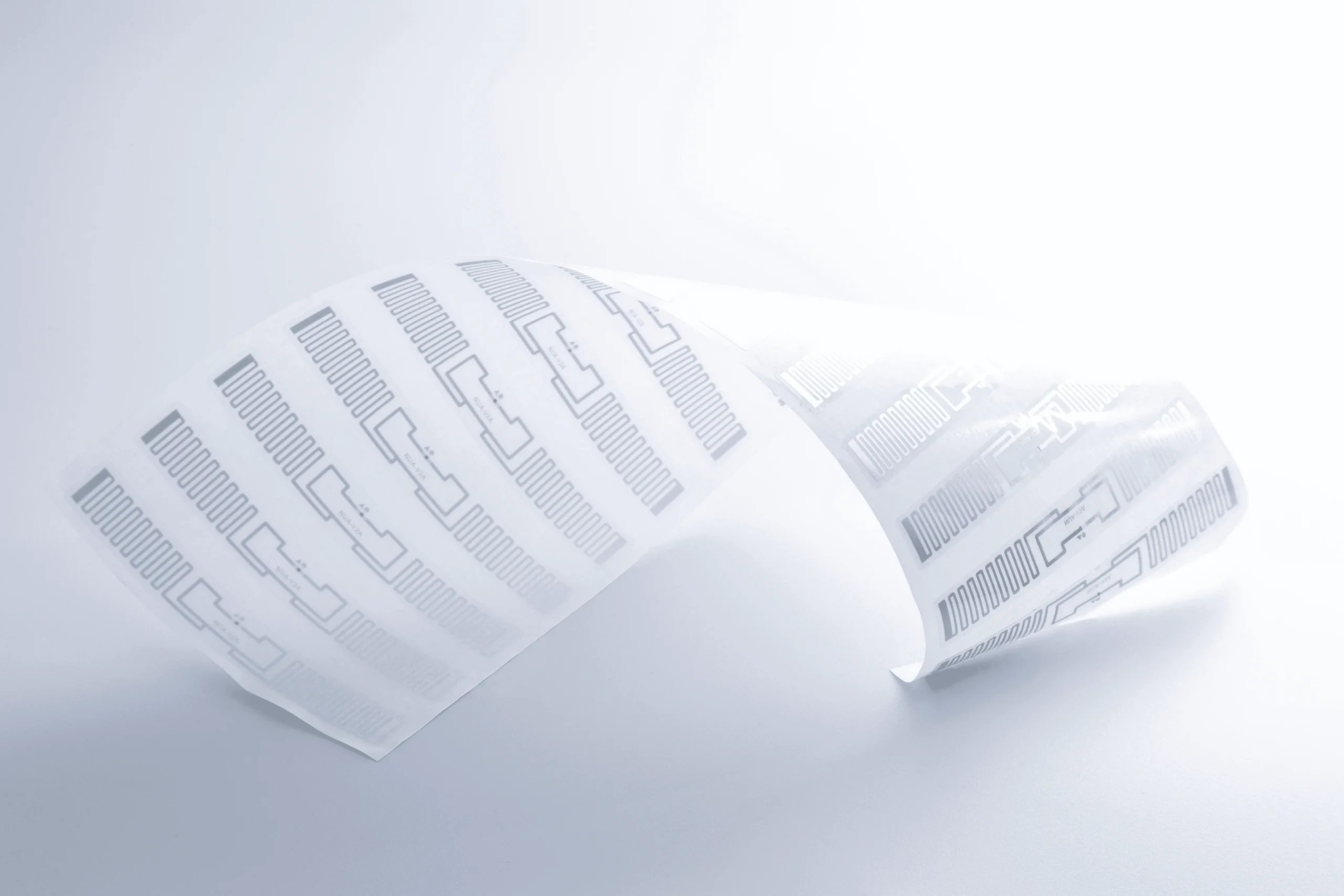
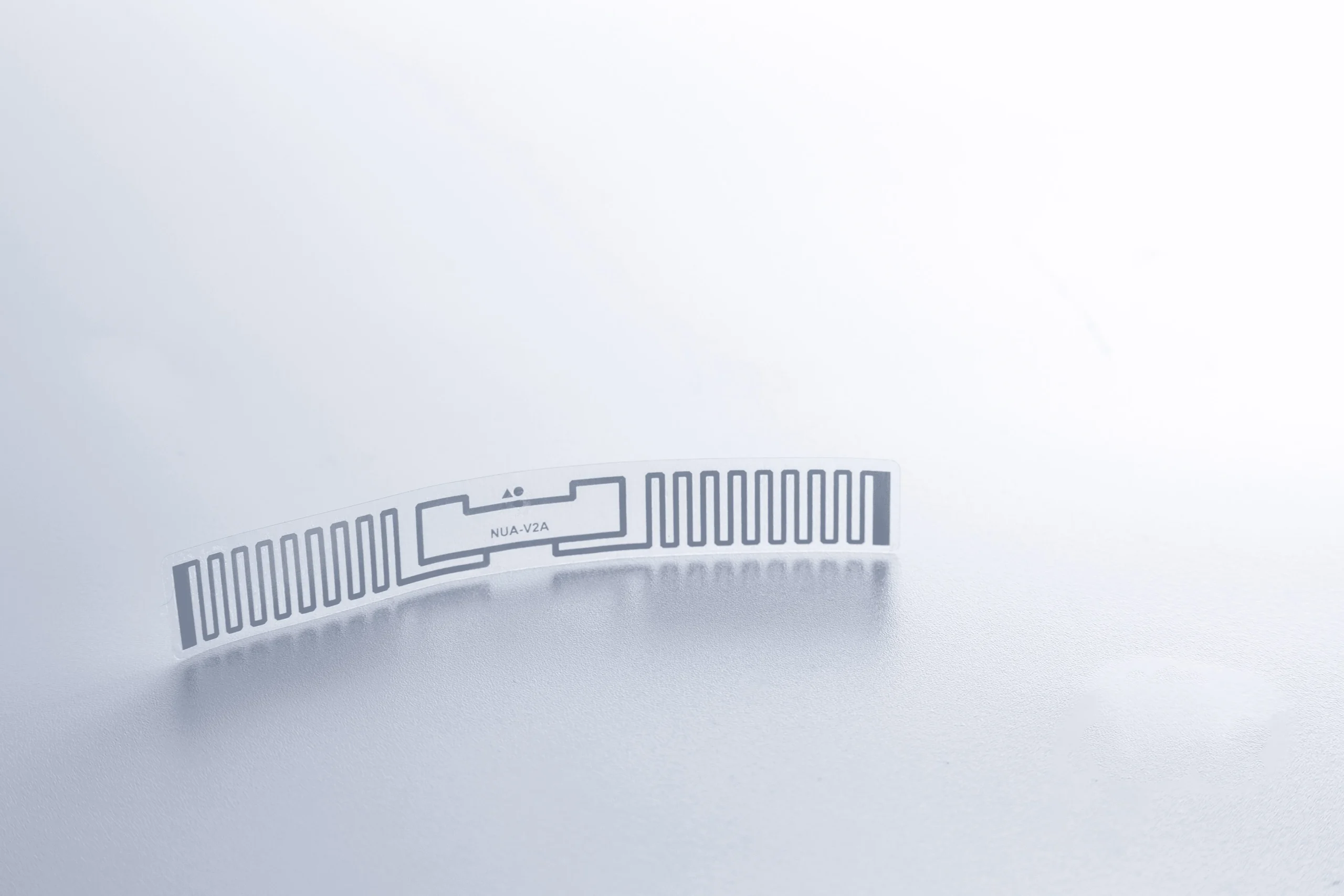
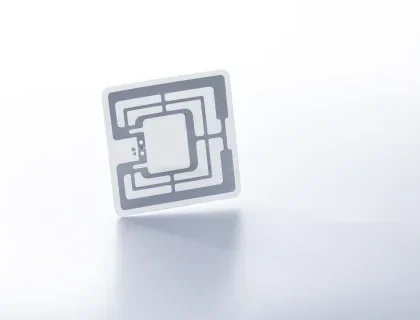
EUROS ist ein Checkpoint RFID-Inlay für professionelle Retail-, Logistik- und Supply-Chain-Prozesse. EUROS ist ein Retail-Inlay für Bestandstransparenz, Inventur, Artikelsuche und Omnichannel-Prozesse.
Technologie: UHF
Chip: NXP Ucode 9
Format: 70 mm, 2.73 in x 8 mm, 0.312 in
Hardware: Fixed Reader, Gates, Handheld Reader, Overhead
Typische Einsatzbereiche
- Anti theft
- Bestandstransparenz
- Omnichannel
- Store-Prozesse (Cycle Count / Artikelsuche / POS)
Geeignete Branchen und Umfelder
- General Merchandise
- Retail Apparel
Warum dieses Inlay prüfen?
Euros is a versatile inlay from Checkpoint, designed to meet the needs of the modern retailer. Certified against many different ARC categories for a wide range of retail applications, the slim antenna design means allows easy integration into different packaging types and shapes. Proven and reliable performance and readability makes Euros the perfect RFID choice for many of the world’s largest retailers.
Technische Eckdaten
- Tag-Typ: UHF
- Chip: NXP Ucode 9
- Inlay-Größe: 70 mm, 2.73 in x 8 mm, 0.312 in
- Carrier: PET50
- EPC Memory: 96 bits
- User Memory: 0 bits
- ARC: Spec, R, Spec, I, Spec, O, Spec, F, Spec, I, and, F, SPEC, Y2, Spec, Q, Spec, W5, Spec, L, Spec, W6
Vor dem Rollout klären
Prüfen Sie das Inlay immer am realen Produkt: Material, Verpackung, Positionierung, Lesezone, Reader-Setup und Encoding entscheiden gemeinsam über die Performance.
Datenblatt: Datenblatt 1 Datenblatt 2
Für die Auswahl von Checkpoint RFID Inlay EUROS sollte nicht nur das Datenblatt betrachtet werden. Entscheidend ist, auf welchem Produkt das Inlay eingesetzt wird, ob Verpackung, Material, Flüssigkeit, Metallanteil oder Stapelung die Leserate beeinflussen und an welchem Punkt im Prozess gelesen werden soll.
Ein sinnvoller Test prüft deshalb reale Ware, geplante Positionierung, Reader- oder Handheld-Situation und die Datenlogik im Backend gemeinsam. Erst dann lässt sich bewerten, ob Format, Chip, Antenne und Klebung für Inventur, Wareneingang, Omnichannel, Source Tagging oder Loss Prevention zuverlässig genug sind. Für Rollouts ist außerdem wichtig, ob die Ergebnisse stabil reproduzierbar sind und ob alternative Inlays als Vergleichsmuster benötigt werden.
Rezensionen
Es gibt noch keine Rezensionen.